18 November 2026
Signs Your Commercial Electrical System Needs an Upgrade
Presented by @powerwisebusiness
Knowing When Your Commercial Electrical System Is Nearing Its Limits
Running a business means relying on electricity for nearly everything - lighting, computers, machinery, HVAC systems, and security equipment. Over time, the electrical system that once worked perfectly can start showing strain. Recognizing when your commercial wiring needs an upgrade can prevent costly downtime, safety hazards, and compliance headaches. This guide walks through the key signs that your electrical system may be struggling to keep up, and what to watch at each step.
Step 1: Pay Attention to Frequent Breaker Trips and Flickering Lights
The most obvious sign that something is off is when breakers trip often or lights flicker regularly. A circuit breaker is designed to protect wiring from overheating by cutting power when the load exceeds its rated capacity. If a breaker trips repeatedly, even when you haven't added new equipment, it suggests the circuit is being asked to handle more current than it can safely carry. Flickering lights, especially when a large appliance starts, point to voltage drops that can indicate loose connections, undersized wiring, or an overloaded panel. These symptoms are not just annoying - they are warnings that the electrical system is operating near its limit. A qualified electrician can measure the load on each circuit and determine if the issue is a single overloaded branch circuit or a broader capacity problem that calls for a service entrance upgrade.
Step 2: Check the Age and Condition of Your Electrical Panel
Commercial electrical panels have a typical service life of 25 to 40 years, depending on the environment and maintenance. If your building's panel is older than that, it likely uses technology that is no longer up to modern energy demands. Older panels may lack the space for additional circuits, or they might use fuses instead of circuit breakers. Fuse panels are less convenient and harder to reset, and they often cannot handle the higher loads that modern equipment requires. Look for signs of rust, corrosion, or scorch marks around the panel area. A panel that feels warm to the touch is a red flag. If the panel door does not close properly or the labeling is faded and illegible, it can make troubleshooting harder and slower. Upgrading the distribution board to a modern, code-compliant panel can improve safety, add capacity, and simplify future expansions.
Step 3: Assess the Load Capacity Against Current Energy Demand
Every commercial building has a total electrical load capacity determined by the service entrance equipment and the main panel. As businesses grow, they add computers, servers, kitchen equipment, manufacturing tools, and HVAC units. The cumulative demand can creep up without anyone noticing until the system starts failing. A straightforward way to assess capacity is to calculate the total connected load and compare it to the rated capacity of the panel and service entrance. If the load is above 80% of the rated capacity, the system is considered heavily loaded and may need an upgrade. A professional can perform a load study using a clamp meter or data logger to measure actual demand over a period. This reveals peak usage times and helps pinpoint which circuits are near their limit. Upgrading the service entrance or adding a subpanel can distribute the load more evenly and prevent nuisance tripping.

Step 4: Look for Outdated Wiring and Code Compliance Issues
Electrical codes evolve regularly to reflect new safety knowledge and technology. Older wiring methods, such as knob-and-tube or cloth-insulated wire, are no longer considered safe for commercial use. Even if the wiring is in good condition, it may not meet current code requirements. Common code violations in older buildings include undersized grounding conductors, missing arc-fault protection, and insufficient clearance around panels. Another issue is the use of aluminum wiring, which was common in the 1960s and 1970s but is now known to be prone to overheating at connections. A thorough inspection by a licensed electrician can identify these problems. Upgrading to modern wiring, conduit, and breakers brings the system up to code and reduces the risk of electrical fires. It also makes insurance inspections easier and can positively affect property value.
Step 5: Evaluate the Performance of Your Equipment and Lighting
Beyond the panel and wiring, the performance of the equipment itself can signal that an upgrade is needed. If lights flicker or dim when machinery starts, the system may not have enough capacity to handle inrush currents. Motors that run hot, hum, or take longer to start may be suffering from low voltage or poor power quality. Frequent bulb burnouts, especially in LED fixtures, can indicate voltage fluctuations or harmonic distortion. Power quality issues like these can shorten the lifespan of expensive equipment and increase maintenance costs. A commercial electrician can perform a power quality analysis to measure voltage sags, surges, and harmonics. If the results show poor power quality, an upgrade to the distribution board or the addition of power conditioning equipment may be necessary. In many cases, simply upgrading the wiring and breakers can improve voltage stability and reduce equipment stress.
Step 6: Plan for Future Growth and Expansion
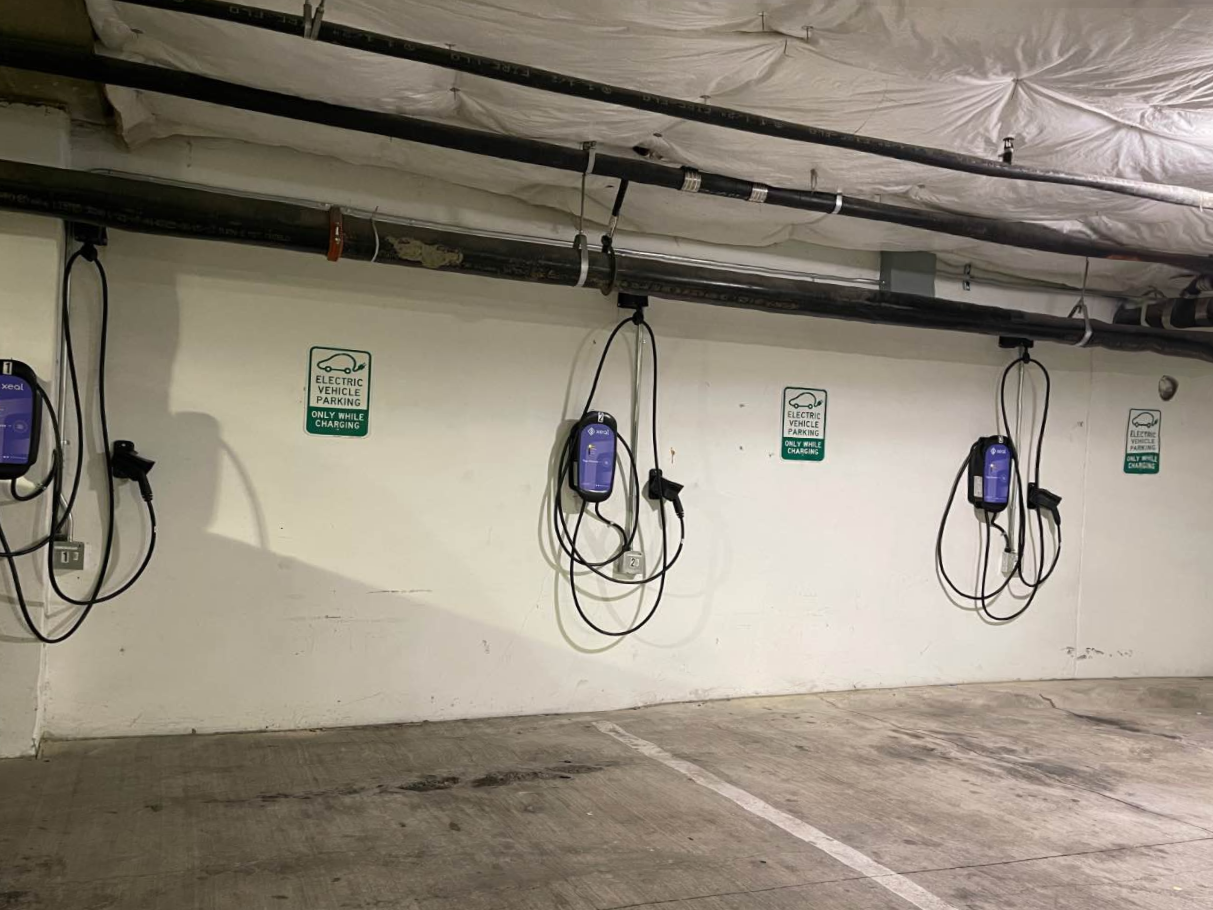
Even if the current electrical system seems adequate, a business that plans to grow should consider future needs. Adding new equipment, expanding the floor plan, or increasing production capacity will increase energy demand. If the existing service entrance and panel are already near capacity, the upgrade will be required sooner rather than later. Planning ahead allows the work to be done during a scheduled shutdown rather than as an emergency repair. A good approach is to have an electrician evaluate the system and provide a report that outlines the current condition, capacity, and recommended upgrades. This report can serve as a roadmap for phased improvements. For example, upgrading the service entrance to a higher amperage now, even if the panel is not fully loaded, can save time and money later when new circuits are added. Similarly, running extra conduit during a renovation is far cheaper than cutting into finished walls later.
Step 7: Work with a Qualified Professional for the Upgrade
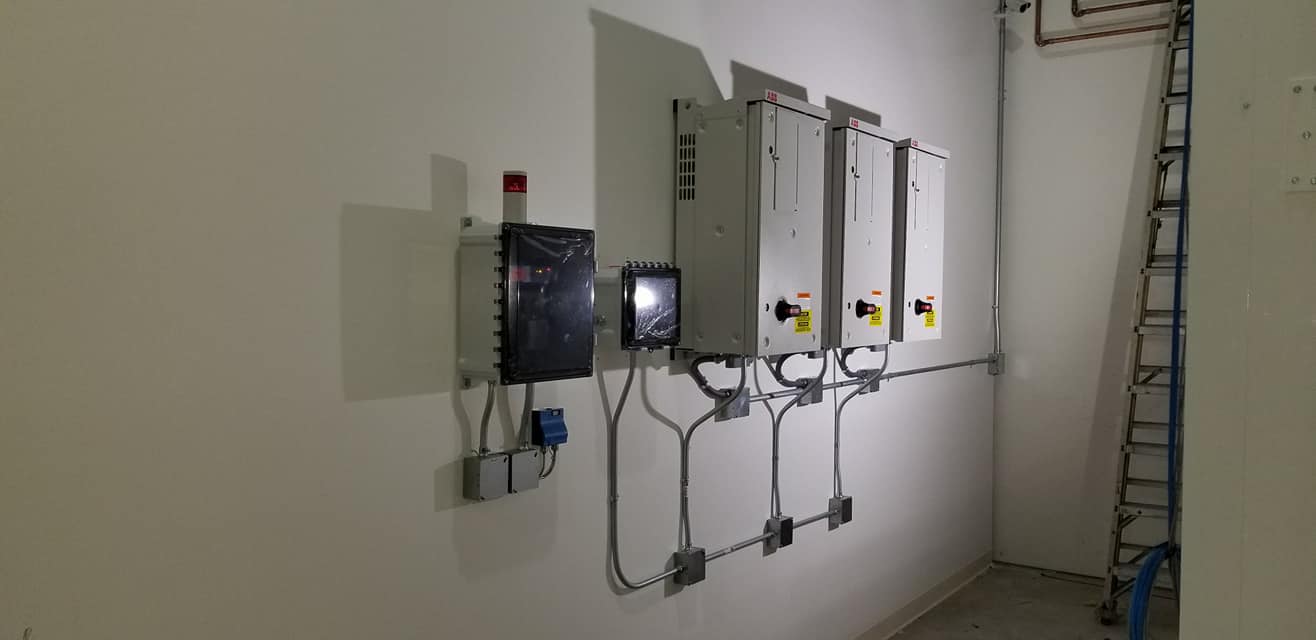
Upgrading a commercial electrical system is not a DIY project. It involves working with high voltages, complex load calculations, and local code requirements. A licensed commercial electrician has the training and tools to perform the work safely and correctly. They can pull permits, coordinate with the utility company, and ensure that the new system is properly grounded and bonded. When choosing an electrician, look for experience with commercial projects and a good understanding of local codes. A reliable contractor will provide a detailed quote, a timeline, and a clear explanation of the work involved. They should also be able to answer questions about the impact on your business operations and how to minimize downtime. For businesses in San Jose, Santa Clara, and surrounding Bay Area cities, woodingelectric.com offers commercial electrical installation, repair, troubleshooting, upgrades, and power distribution services. Their team can assess your current system and recommend the right upgrades to meet your needs. Whether you need a panel replacement, service entrance upgrade, or a complete rewiring, working with a professional ensures the job is done right.
Conclusion
Knowing when your commercial electrical system needs an upgrade is about paying attention to the signs - frequent breaker trips, flickering lights, outdated panels, and code violations. By following these steps, you can identify problems early and plan for improvements that keep your business running smoothly and safely. Investing in a modern, code-compliant system not only protects your equipment and employees but also supports future growth. If you are in the Bay Area and need expert guidance, woodingelectric.com can help with a thorough evaluation and professional upgrades. Don't wait until a failure forces an emergency shutdown - take proactive steps now to ensure your electrical system is ready for the demands of your business.